Successful rental property investments are rarely the result of luck. They are built through clear decisions, disciplined execution, and continuous improvement—guided by data.
Below is a practical framework I’ve used in real projects to turn underutilized properties into sustainable, long-term rental businesses.
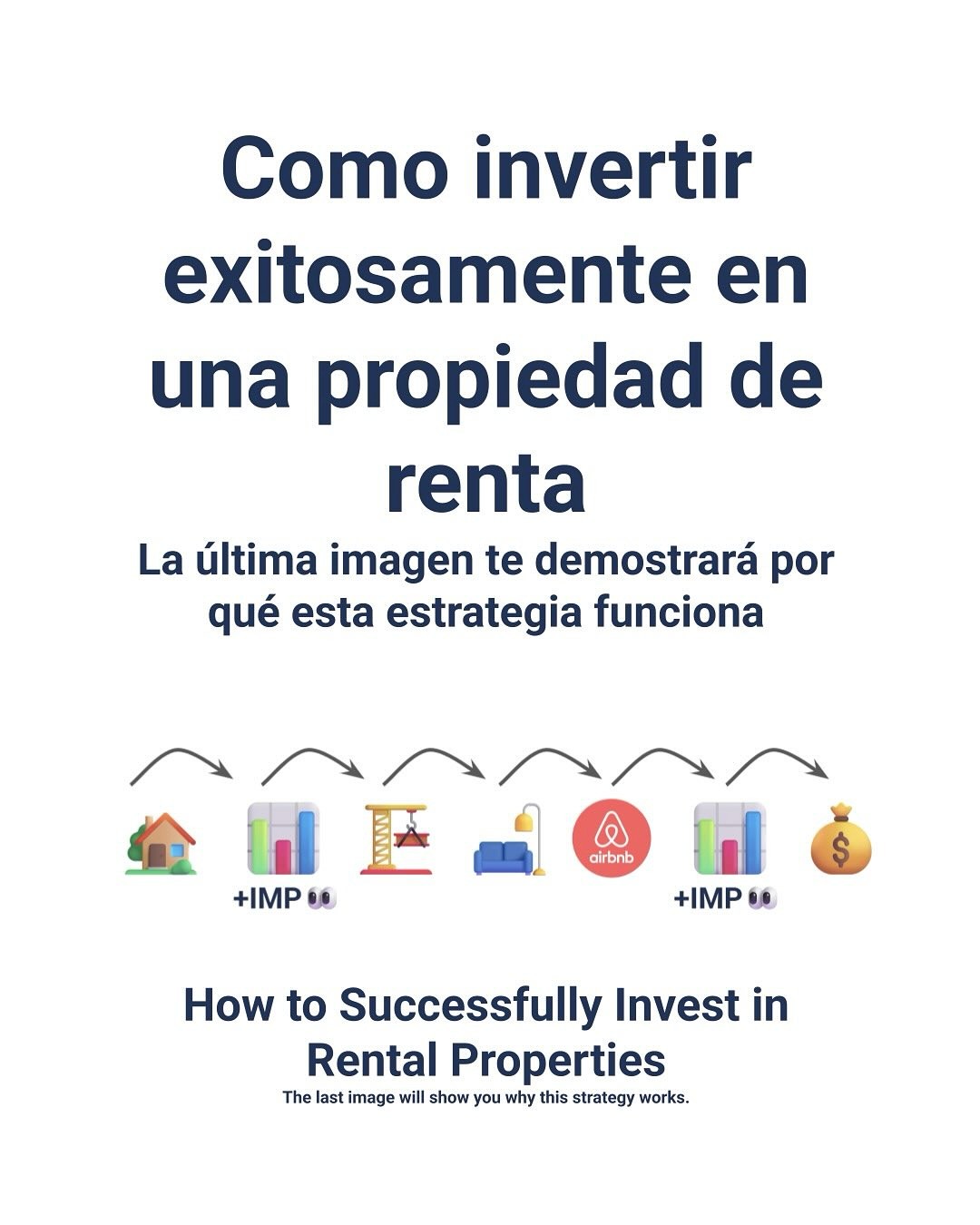
1. Find a Property Where Value Can Be Added
Not every property is a good investment.
The first step is identifying a property with:
A strong location
Unique or differentiating characteristics
Clear potential for improvement
The goal is not to buy what already looks perfect, but to find opportunities where value can be created through better design, positioning, or use.
2. Analyze Feasibility and Profitability Using Data and AI
Before committing capital, the numbers must make sense.
Using data and AI tools, analyze:
Acquisition and renovation costs
Expected demand and pricing
Cash flow and long-term returns
This step helps answer a critical question:
Does this investment make sense financially before execution?
This is where many costly mistakes are avoided.
3. Design and Build a Unique Space
Design is not just about aesthetics—it directly impacts demand and pricing.
The space should be designed with:
The target guest or tenant in mind
Functionality and comfort
A clear identity that stands out in the market
A well-designed space creates differentiation and justifies better pricing.
4. Furnish With Intention and Attention to Detail
Every visual and functional detail matters.
Custom furniture, thoughtful layouts, and consistent design elements improve:
First impressions
Guest experience
Reviews and repeat bookings
This step transforms a property into a product people want to choose.
5. Create a Memorable Experience
People don’t remember square meters—they remember experiences.
A successful rental investment delivers:
Comfort
Ease of use
A sense of place
When the experience is well designed, guests become promoters of the business.
6. Monitor and Improve Continuously With Data and AI
The work doesn’t end after launch.
Performance should be monitored continuously using data and AI tools to:
Adjust pricing
Identify operational inefficiencies
Improve occupancy and margins
Small improvements over time compound into strong long-term results.
7. Watch the Investment Grow — and Enjoy the Benefits
When decisions are made with clarity and discipline, the investment becomes:
More predictable
More resilient
Easier to operate
At that point, you’re not just managing a property—you’re enjoying the benefits of a well-built investment.
Casa 621: A Real Example
Casa 621 is a rental property project I worked on throughout 2024.
The project covered the full lifecycle:
Market and demand analysis
Feasibility and investment planning
Design and execution
Launch and ongoing operations
An unused space was transformed into a family investment with a long-term vision—supported by data at every stage.
Subscribe to our newsletter
Sign up to get the most recent blog articles in your email every week.